

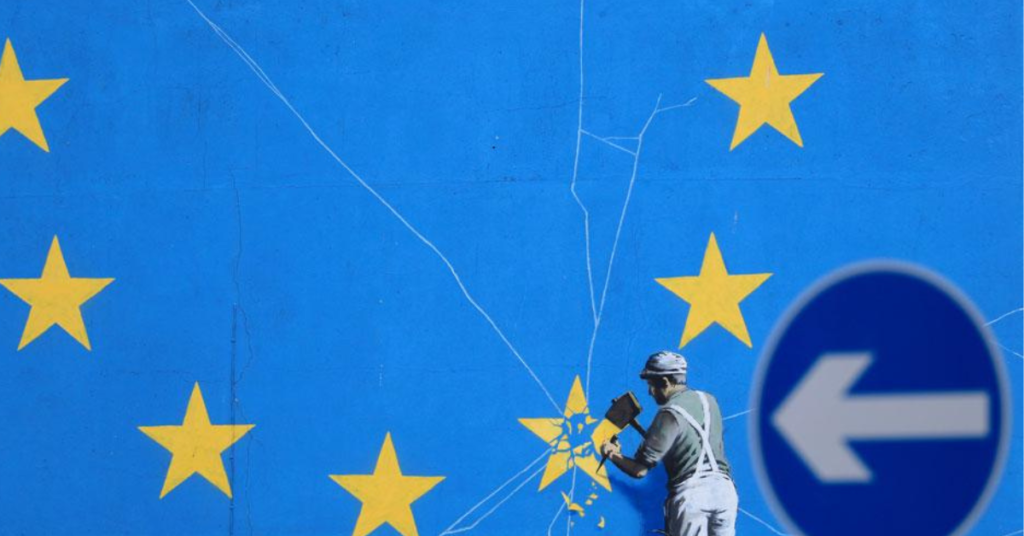
Europe enters 2026 at a critical economic moment. After several years shaped by inflation shocks, energy disruptions, and geopolitical tensions, policymakers and businesses across the continent are attempting to stabilize growth while preparing for a more competitive global economy. Analysts expect the European economy to grow modestly in 2026, but the outlook varies widely between countries and industries.
Below is a closer look at the major forces expected to shape Europe’s economy in 2026.
A Gradual Return to Economic Growth
Many economists forecast that Europe’s economy will expand modestly in 2026 after a period of slower growth. Several factors support this outlook:
- Cooling inflation across the eurozone
- Lower interest rates as central banks shift policy
- Improving consumer spending after years of cost-of-living pressure
- Recovery in global trade
While growth is expected to remain slower than in the United States or parts of Asia, Europe’s economic environment is becoming more stable.
Large economies such as Germany, France, Italy, and Spain will likely drive most of the region’s expansion. Southern European countries may benefit particularly from tourism and infrastructure investment programs funded by European Union recovery initiatives.
The Role of Central Bank Policy
The European Central Bank (ECB) played a major role in controlling inflation between 2022 and 2024 through aggressive interest rate increases. By 2026, policymakers are expected to adopt a more balanced approach.
If inflation continues to stabilize, interest rates could gradually decline, making borrowing cheaper for businesses and consumers. This would likely encourage:
- Investment in manufacturing and technology
- Growth in housing and construction markets
- Expansion of small and medium-sized businesses
However, policymakers remain cautious. Inflation risks related to energy markets or supply disruptions could still influence future monetary decisions.
Energy and Industrial Transformation
Energy policy continues to reshape Europe’s economy. Since the energy crisis earlier in the decade, many governments have accelerated investments in:
- Renewable energy projects
- Battery technology and electric vehicles
- Hydrogen infrastructure
- Energy independence initiatives
These investments are expected to generate significant economic activity in 2026, particularly in countries such as Germany, Denmark, and the Netherlands, where green technology sectors are expanding rapidly.
At the same time, traditional industries face pressure to modernize production processes to meet environmental targets and remain globally competitive.
Technology and AI Driving New Investment
Europe is also positioning itself as a major player in artificial intelligence and advanced technology regulation.
Several initiatives launched by the European Union aim to support:
- AI research and development
- Semiconductor manufacturing
- Data infrastructure and digital services
- Cybersecurity innovation
Technology investment is increasingly viewed as a key driver of long-term economic competitiveness. Governments hope these sectors will attract both domestic investment and international capital.
Trade and Geopolitical Risks
Despite improving economic conditions, Europe’s outlook still depends heavily on global trade dynamics.
Key risks include:
- Ongoing trade tensions between major economies
- Supply chain disruptions
- Political uncertainty in key regions
- Changes in global energy markets
European exporters remain particularly sensitive to shifts in global demand, especially from China and the United States.
However, new trade partnerships and diversification strategies may help reduce some of these vulnerabilities over time.
Labor Markets and Demographic Challenges
One structural issue that continues to affect Europe’s long-term growth is demographics.
Many countries face aging populations and labor shortages in critical sectors such as healthcare, engineering, and technology. Governments are responding by promoting:
- Workforce training programs
- Skilled migration policies
- Automation and digital transformation
These measures are intended to improve productivity and maintain economic growth despite demographic pressures.
Outlook for Investors and Businesses
Overall, Europe’s economic forecast for 2026 suggests cautious optimism. Growth may not be explosive, but several positive trends are emerging:
- Stabilizing inflation
- Gradual easing of monetary policy
- Major investment in energy and technology sectors
- Strengthening trade partnerships
For businesses and investors, Europe’s evolving economic landscape could present new opportunities in industries linked to technology, infrastructure, and sustainable energy.
Disclaimer: This article is for informational purposes only and does not constitute financial or investment advice. Economic forecasts involve uncertainty, and actual outcomes may differ from current projections.