

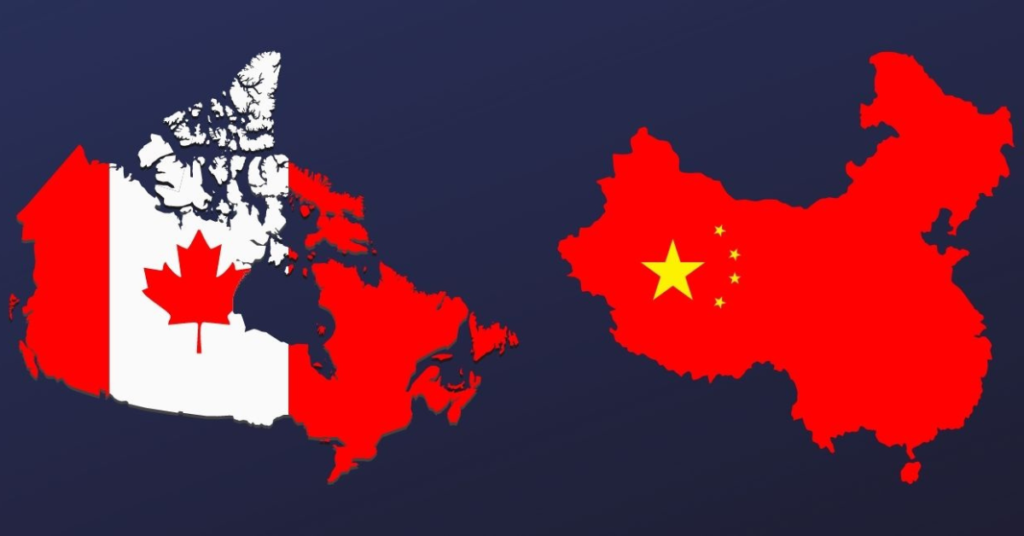
Recent discussions between officials from China and Canada have sparked renewed interest in the possibility of expanded trade cooperation between the two countries. While no final agreement has been announced, analysts say ongoing negotiations could influence supply chains, exports, and investment flows across multiple industries.
Renewed Dialogue Between Two Major Trading Nations
Trade representatives from both governments have recently resumed discussions aimed at improving economic cooperation and addressing trade barriers. The talks reportedly focus on expanding access to key markets, strengthening regulatory transparency, and improving trade procedures for businesses operating across borders.
China remains one of Canada’s largest trading partners in Asia, while Canada exports significant volumes of natural resources, agricultural products, and raw materials to Chinese markets. In return, Canadian businesses import manufactured goods, electronics, and machinery from China.
According to trade experts, deeper economic collaboration could help both economies diversify their trade relationships and improve supply stability in a period of global economic uncertainty.
Key Sectors That Could Be Affected
If negotiations progress toward a broader agreement, several industries could see increased activity:
Agriculture:
Canadian exporters may gain expanded opportunities to supply products such as grains, seafood, and meat to Chinese consumers.
Energy and Natural Resources:
Canada’s energy sector could benefit from stronger export demand, particularly in areas such as liquefied natural gas, minerals, and other raw materials.
Technology and Manufacturing:
Companies involved in electronics, industrial machinery, and advanced manufacturing may also see increased cross-border cooperation.
Market observers say these sectors are closely watching the negotiations for signals that regulatory barriers may ease in the future.
Economic and Geopolitical Context
The renewed trade dialogue comes at a time when many countries are reassessing global supply chains and seeking to diversify economic partnerships. Over the past few years, international trade has been influenced by tariffs, geopolitical tensions, and shifting economic alliances.
For Canada, expanding access to Asian markets remains a strategic priority. For China, securing stable access to natural resources and agricultural imports continues to be an important part of long-term economic planning.
While political and regulatory differences remain, economists say constructive dialogue could help reduce uncertainty for businesses operating between the two markets.
What Comes Next
Officials from both sides have indicated that discussions are ongoing, and any potential agreement would likely take time to finalize. Trade negotiations typically involve multiple rounds of consultations, regulatory reviews, and stakeholder input before a formal framework is established.
For companies involved in global trade, the talks highlight how economic relationships between major countries can evolve and reshape international commerce.
Disclaimer:
This article is for informational and educational purposes only and does not constitute financial or investment advice. Economic developments and trade negotiations can change over time, and readers should conduct their own research before making business or investment decisions.